
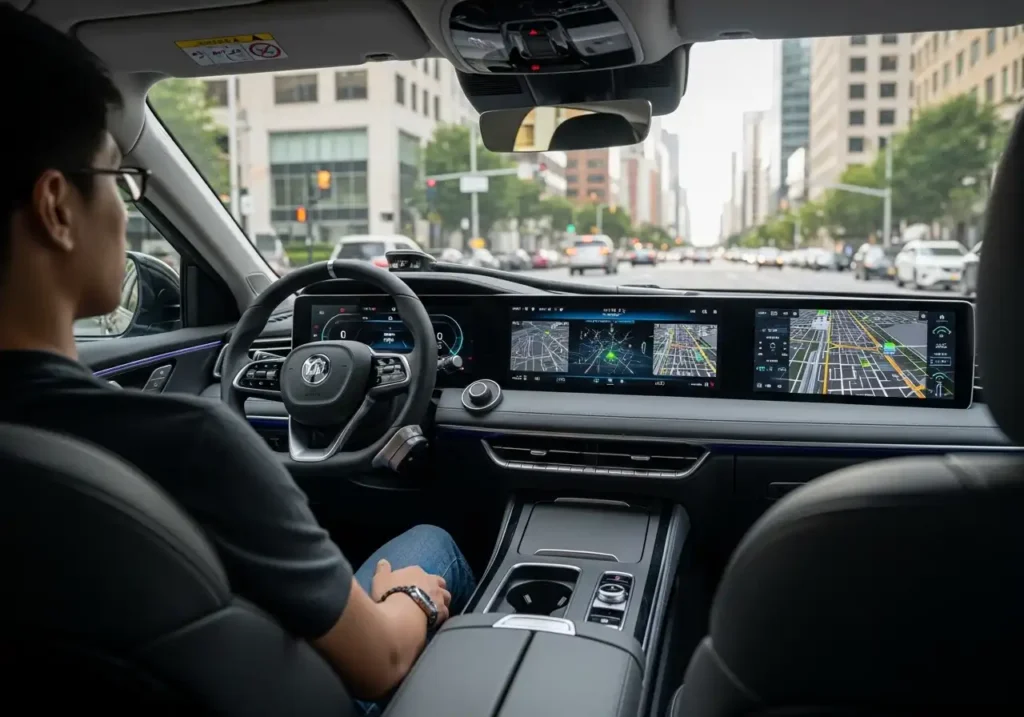
Autonomous vehicle technology is quickly becoming part of the rideshare industry. Uber has partnered with several technology companies to test and expand self driving vehicles in multiple cities. While these vehicles promise convenience and innovation, they also raise new legal questions when accidents occur.
If a self driving Uber vehicle is involved in a crash, determining liability can be more complicated than in a traditional car accident. Several parties may potentially share responsibility, including the rideshare company, the vehicle manufacturer, or the software developer behind the autonomous driving system.
How Self Driving Uber Vehicles Work
Self driving vehicles rely on a combination of sensors, cameras, radar systems, and artificial intelligence software to navigate roads and avoid hazards. These systems constantly collect and process data in real time to control steering, braking, and acceleration.
In some situations, a human safety driver may still be present in the vehicle to monitor the system and take control if needed. However, as the technology evolves, some rideshare companies are testing fully autonomous vehicles with no driver behind the wheel.
Possible Parties Liable in a Self Driving Uber Accident
Because autonomous vehicles involve multiple technologies and companies, determining fault can be complex. Several parties could potentially be held responsible after a crash.
Uber or the Rideshare Company
If the rideshare company failed to properly maintain the vehicle or deployed unsafe autonomous technology, the company may face liability for resulting injuries.
Vehicle Manufacturer
If a design or manufacturing defect contributed to the accident, the automaker responsible for building the vehicle could potentially be held accountable.
Software Developer
Autonomous driving systems depend heavily on software algorithms. If a software malfunction caused the vehicle to make an unsafe decision, the company that developed the software may share liability.
Human Safety Driver
In vehicles that still include a safety driver, that individual may be responsible if they failed to intervene when the system made an error.
How Insurance Works in Autonomous Uber Accidents

Insurance coverage for autonomous rideshare accidents may involve multiple policies. Uber typically provides insurance coverage while drivers are logged into the app or transporting passengers.
However, determining which policy applies in an autonomous vehicle crash may depend on factors such as whether the rideshare service was active at the time of the accident.
You can learn more about insurance issues in rideshare collisions in our guide on
winning compensation after an Uber accident.
Challenges in Autonomous Vehicle Accident Claims
Self driving car accident cases often require technical investigation to determine what happened before the crash. Data from the vehicle’s onboard computer system may need to be analyzed to understand whether the autonomous software malfunctioned or responded incorrectly to road conditions.
These investigations can involve engineers, accident reconstruction experts, and legal specialists who examine vehicle data logs and sensor recordings.
Passenger Rights After an Uber Accident
Passengers injured in an Uber accident generally have the right to pursue compensation for medical expenses, lost wages, and other damages. However, identifying the responsible party is often the most challenging part of the process.
If you were injured while riding in a rideshare vehicle, understanding your legal options is important. Our article on
passenger rights after an Uber crash explains the protections available to rideshare passengers.
The Future of Autonomous Rideshare Vehicles
Autonomous rideshare technology continues to evolve as companies test new vehicles and safety systems. While these innovations may improve transportation in the future, they also create new legal and regulatory challenges.
As self driving technology becomes more common, lawmakers and courts will likely continue developing rules that clarify liability and insurance requirements in autonomous vehicle accidents.
Final Thoughts
Self driving Uber vehicles represent a major shift in the future of transportation. However, when accidents occur, determining responsibility may involve multiple parties and complex legal issues.
If you are injured in an accident involving an autonomous rideshare vehicle, understanding how liability works can help you protect your rights and pursue compensation for your injuries.