
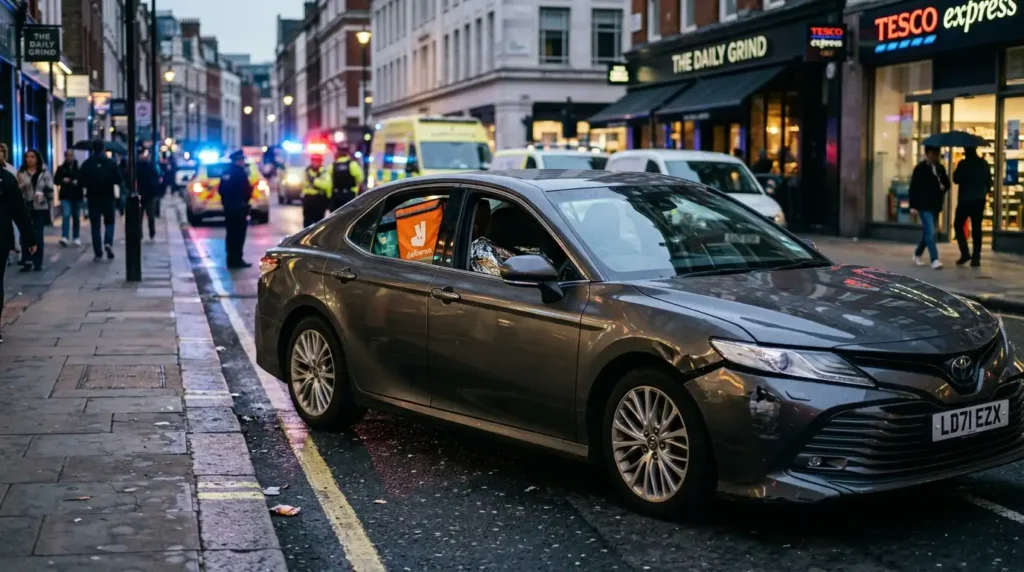
The explosive growth of gig-economy food delivery services has reshaped urban transportation. Every day, thousands of delivery drivers navigate bustling city streets to transport meals from restaurants directly to consumers. However, the urge to complete deliveries quickly can lead to high-speed maneuvering, sudden stops, double parking, and distracted driving. When an Uber Eats delivery driver causes a collision, determining fault and recovering compensation involves a unique legal structure distinct from typical motor vehicle accidents.
Understanding uber eats delivery driver accident liability requires a deep dive into insurance policy mechanics, contractual classifications, and the multi-tiered coverage model established by delivery platforms. Whether you were struck as a driver in another vehicle, a pedestrian, or a bicyclist, navigating the claims process demands a clear grasp of who pays for damages at each stage of a delivery run.
The Legal Complexity: Food Delivery vs. Rideshare Passenger Transport
At first glance, driving for a passenger rideshare service and delivering food appear nearly identical; both rely on smartphone applications to connect contractors with customers. However, key operational differences create unique legal challenges during an insurance claim:
- Commercial Exclusions in Personal Policies: Standard personal auto insurance policies almost universally contain “business-use” or “commercial activity” exclusions. If a personal auto insurer discovers that a driver was transporting food for compensation at the time of a crash, they will likely deny the claim outright.
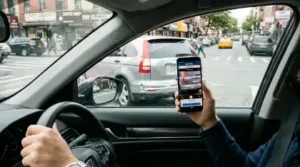
- Frequent Distracted Driving Hazards: Delivery drivers must constantly interact with mobile interfaces—accepting new orders, navigating unfamiliar neighborhoods, reading drop-off instructions, and communicating with customers. This significantly increases the risk of distracted driving crashes.
- Hazardous Parking & Stopping Practices: In dense commercial corridors, delivery drivers frequently resort to double parking, stopping in bike lanes, or blocking sightlines to pick up orders rapidly, creating severe hazards for surrounding traffic.
Uber Eats Insurance Coverage Phases Explained
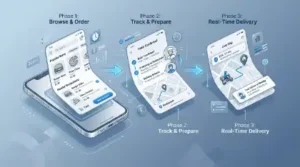
Uber Eats maintains a third-party liability insurance policy for its delivery partners, but coverage levels fluctuate based on the driver’s active status within the application at the precise moment an impact occurs. Insurance adjusters evaluate claims using three primary status phases:
Phase 1: App Switched On (Waiting for a Delivery Request)
When the delivery driver logs into the Uber Eats application and is actively waiting to accept a food request, personal auto insurance remains primary. However, if the driver’s personal policy denies coverage due to commercial exclusions, Uber provides contingent liability protection:
- Bodily Injury Liability: Up to $50,000 per person / $100,000 per accident.
- Property Damage Liability: Up to $25,000 per accident.
Phase 2: Delivery Order Accepted (En Route to Restaurant)
The moment a driver accepts a food delivery request on the screen, commercial liability coverage significantly increases. During this period—as the driver travels to the restaurant or merchant—Uber provides up to $1,000,000 in primary third-party liability coverage for personal injuries and property damage sustained by victims.
Phase 3: Order Picked Up (En Route to Customer Delivery)
Phase 3 begins when the driver picks up the food item and continues until the delivery is marked complete in the app. Full primary coverage remains active throughout this phase:
- Third-Party Liability: $1,000,000 combined single limit covering medical costs, lost income, and physical property damages.
- Contingent Collision & Comprehensive: Applies to the driver’s vehicle up to its actual cash value (ACV), contingent upon the driver maintaining collision coverage on their personal policy, subject to a $2,500 deductible.
Determining Liability & Independent Contractor Status
One of the largest hurdles in pursuing compensation after a delivery collision stems from the legal classification of delivery workers. Delivery platforms generally classify drivers as independent contractors rather than direct employees.
Under the legal doctrine of respondeat superior, employers are ordinarily held vicariously liable for negligent acts committed by employees within the scope of their employment. Because Uber Eats drivers operate as independent contractors, corporate entities often argue that they are shielded from direct vicarious liability. As a result, injury claims must generally target either the driver’s personal insurance coverage or the corporate third-party commercial policy limits active during the specific coverage phase.
For official regulatory updates and driver safety guidelines regarding rideshare and delivery commercial insurance standards, review the official policy resources at the California Department of Insurance.
Critical Steps Immediately Following an Uber Eats Crash
Protecting your legal rights after a crash involving a food delivery vehicle requires gathering specific evidence early. Take these action steps as soon as possible:
- Call Law Enforcement: Ensure a formal police report is filed. Request that the responding officer record the driver’s commercial delivery status in the official report.
- Document the Delivery App Status: Take photographs of the delivery driver’s phone screen showing an active order status if safely possible, or take photos of thermal delivery bags, order receipts, or food containers inside the vehicle.
- Gather Witness & Scene Evidence: Capture photos of vehicle positioning, skid marks, road conditions, traffic control devices, and contact details from neutral eye-witnesses.
- Seek Prompt Medical Care: Obtain an immediate medical evaluation for all injuries. Documenting symptoms early prevents insurance adjusters from claiming your injuries were caused by an unrelated event.
- Consult Personal Injury Counsel: Before giving recorded statements to corporate insurance adjusters, consult with an experienced personal injury attorney who understands gig-economy insurance policies.
Maximizing Recovery in Complex Delivery Injury Claims
Accidents involving food delivery vehicles involve complex coverage thresholds, restrictive policy exclusions, and corporate risk-management tactics. Identifying the precise timing of the crash within the app’s operational cycle is vital to unlocking the full $1,000,000 policy limits needed to pay for severe medical bills, lost wages, and long-term rehabilitation costs. Thorough investigation and targeted legal strategy ensure injured victims secure the full compensation they deserve under the law.