
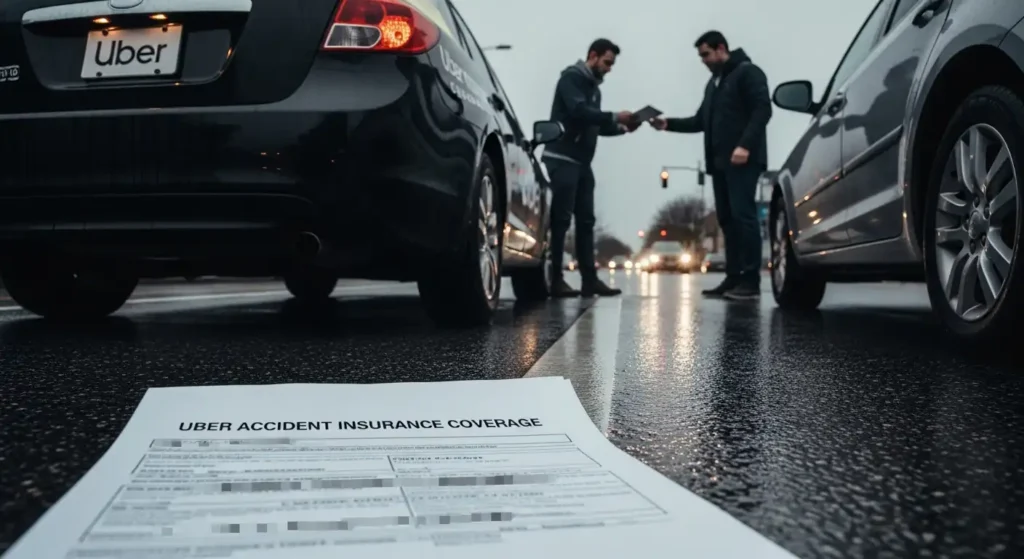
Uber and Lyft accidents have become a common reality on California roads. For years, rideshare companies carried large insurance policies that provided meaningful protection for passengers and others injured in serious crashes.
But in 2026, California’s rideshare insurance rules changed in a way that surprised many people. Certain liability coverage minimums dropped significantly, leaving accident victims with fewer financial resources available after a major collision.
If you were hurt in an Uber crash, this change may affect how much compensation is available and what steps you may need to take next.
California Uber Accident Insurance Coverage Changed in 2026
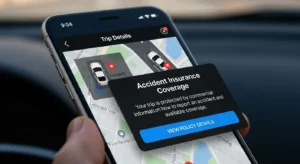 For a long time, most people believed Uber accidents were covered by a large $1 million policy whenever a driver was actively working. While that coverage still exists in some situations, California updated parts of its rideshare insurance framework in 2026.
Under the new standards, certain underinsured accident coverage levels dropped to as low as $60,000. That number is far lower than what many victims expect when dealing with severe injuries, hospital stays, or long-term recovery.
This shift may leave passengers and third parties facing major gaps between the cost of injuries and what insurance actually pays.
Why Lower Insurance Limits Matter After an Uber Accident
Medical care after a serious crash adds up quickly. Emergency room visits, surgery, rehabilitation, and lost income may exceed $60,000 in a matter of weeks.
When insurance coverage is limited, victims may have to explore other options beyond the rideshare company’s policy.
This is one reason why understanding California Uber accident insurance coverage in 2026 has become more important than ever.
Common expenses after an Uber crash may include:
- Ambulance transport
- Emergency medical treatment
- Follow-up specialist care
- Physical therapy
- Lost wages or missed work
- Ongoing pain or disability support
If the available coverage is too low, victims may need to pursue additional sources of compensation.
Uber Insurance Depends on What the Driver Was Doing
Uber accident claims often depend on the driver’s status at the time of the crash. California rideshare insurance works in “phases,” meaning coverage changes depending on whether the driver was logged into the app or carrying a passenger.
Phase 1: Driver Logged In, No Ride Accepted
If the driver is online but has not accepted a trip yet, coverage may be much lower. This is one phase where reduced limits can make a big difference.
Phase 2: Ride Accepted, En Route to Passenger
Once a driver accepts a ride, higher coverage may apply, but the details still matter.
Phase 3: Passenger in the Vehicle
When a passenger is actively being transported, Uber’s larger commercial policy may still apply in many situations.
However, the updated minimum requirements mean victims may still encounter disputes over which policy applies and how much is actually available.
What Happens if $60,000 Is Not Enough?
Unfortunately, many Uber accident injuries involve damages far beyond $60,000. If the rideshare policy does not fully cover the losses, other legal avenues may need to be explored.
Possible additional compensation sources may include:
- The at-fault driver’s personal auto insurance
- Uninsured or underinsured motorist coverage
- Claims against third-party drivers involved in the crash
- Liability claims involving vehicle defects or roadway hazards
Each case depends heavily on the facts, which is why legal review is often a key step after a serious rideshare collision.
Steps to Take After an Uber Accident in California
If you are involved in an Uber crash, the steps you take early on may affect the strength of your claim later.
1. Get Medical Attention Immediately
 Even injuries that feel minor at first may become more serious over time. Medical documentation also creates an official record connecting the crash to your injuries.
2. Report the Accident to Police and Uber
Always file a police report when possible. You should also report the incident through the Uber app so the company cannot claim it was never documented.
3. Gather Evidence
Photos, witness names, insurance information, and trip details may all become important later in the claims process.
4. Avoid Early Settlement Pressure
Insurance companies may attempt to resolve claims quickly, especially when policy limits are lower. Speaking with a lawyer before accepting any offer may help clarify your options.
5. Speak With an Uber Accident Lawyer
With reduced coverage limits in play, accident victims may need help identifying all possible responsible parties and insurance policies.
You may also want to review our related guide:
What to Do After an Uber Accident.
How This Change May Affect Uber Accident Victims Going Forward
California’s updated rideshare insurance minimums may reshape how injury claims are handled in 2026 and beyond.
Victims may face:
- Lower baseline payouts from rideshare policies
- More complex disputes over coverage phases
- A greater need to pursue third-party liability
- Longer negotiations when damages exceed policy limits
For passengers, this means the assumption of “automatic $1 million coverage” may no longer apply in every situation.
Final Thoughts
The drop to $60,000 in certain California rideshare insurance minimums may create serious challenges for people injured in Uber accidents. Medical costs and long-term recovery often exceed these limits quickly, leaving victims unsure of what comes next.
If you were hurt in a rideshare crash, understanding your coverage options and legal pathways may be essential in moving forward.