
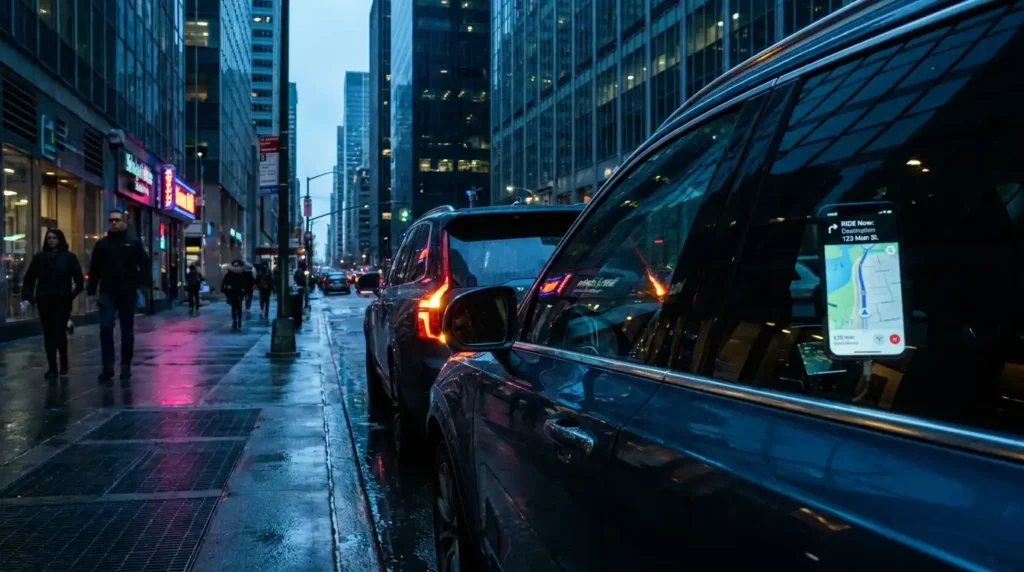
As rideshare platforms like Uber and Lyft have become integral to metropolitan transit networks, urban roadways have experienced a fundamental shift in traffic dynamics. Unlike traditional commuters or commercial taxi fleets, rideshare drivers operate at the intersection of heavy urban navigation and continuous algorithmic management. This combination introduces distinct cognitive and physical demands that significantly increase collision risks on crowded city streets.
Understanding the root causes of rideshare collisions requires examining the specific operational pressures drivers encounter every shift. From high-frequency app notifications and real-time route adjustments to unsafe curbside drop-offs, analyzing these hazards offers crucial insights for both rideshare operators and passengers seeking to reduce urban traffic risks.
1. The In-App Telematics Trap: Algorithm-Driven Distractions
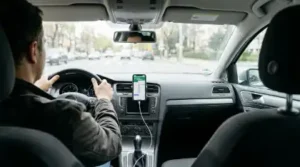
Rideshare drivers must interact with a constant stream of digital input while navigating complex urban environments. While personal smartphone use behind the wheel is universally recognized as dangerous, gig-economy driving inherently relies on mobile application interfaces to generate revenue and manage logistics.
Micro-Distractions and Visual Processing Limits
To secure back-to-back fares, driver applications frequently prompt drivers with prospective trip offers while they are actively transporting passengers or navigating heavy traffic. Evaluating an incoming fare requires a driver to interpret multiple data points within a brief window—including passenger ratings, pickup distance, trip duration, and estimated earnings.
Even brief glances away from the forward roadway create severe cognitive gaps. At 35 miles per hour, a driver looking down at a screen for just three seconds covers over 150 feet completely unobservant of sudden pedestrian movements, braking traffic, or changing signal lights. You can review official crash metrics regarding distracted driving statistics and safety risks to see how brief visual diversions lead to severe rear-end and intersection collisions.
Dynamic Rerouting and Sudden Lane Changes
Modern rideshare apps rely on predictive traffic algorithms that constantly update travel routes to avoid slowdowns. While intended to optimize travel times, sudden route updates can cause drivers to execute abrupt, unpredictable maneuvers—such as sudden multi-lane cuts or unexpected turns across traffic—without adequate signaling or mirror checks.
2. Curbside Chaos: Pickup and Drop-off Hazards
The transition phase of a rideshare trip—loading or unloading passengers—presents some of the highest risk factors in dense urban environments. Unlike public transit buses operating in designated bays, rideshare vehicles routinely stop in active traffic lanes, bike corridors, and bus stops.
The “Dooring” Threat to Cyclists and Scooters
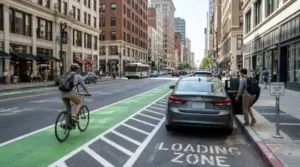
One of the most frequent curbside incidents involves passengers opening rear vehicle doors directly into the path of approaching cyclists or micromobility users. When a rideshare vehicle stops abruptly alongside a bike lane, passengers frequently exit without verifying rearward clearance, leading to severe door-zone collisions.
To mitigate this specific danger, drivers and passengers should utilize the “Dutch Reach” technique—using the hand furthest from the door handle to open the door. This natural movement forces the person’s torso to rotate, bringing mirror angles and shoulder blind spots into direct view before the latch is released.
Double Parking and Blind Spot Obstructions
When drivers double-park due to lack of curbside space, they create immediate traffic bottlenecks and block visibility for surrounding motorists. Vehicles attempting to pass a stopped rideshare car often cross center lines blindly or strike pedestrians exiting from between parked cars.
3. Technological Prevention Tools and In-App Safety Systems
While technology contributes to driver distraction, advanced telematics and in-app safety protocols also provide powerful risk-reduction mechanisms when deployed effectively.
Sensor-Driven Crash Detection and Emergency Telematics
Major rideshare platforms incorporate mobile telematics that utilize a smartphone’s accelerometer, gyroscope, and GPS hardware to monitor driving patterns. Systems like Uber’s RideCheck continuously evaluate vehicle speed, sudden deceleration, and unexpected long stops. If an anomaly indicates a possible collision, the app automatically prompts both driver and rider to confirm their safety or initiate emergency dispatch protocols.
Comprehensive safety research from organizations like the IIHS on distracted driving prevention demonstrates that real-time telematics feedback significantly curbs aggressive driving behaviors and encourages safer phone placement.
Audio-Guided Navigation and Hands-Free Standards
To eliminate the need for manual screen interactions, rideshare platforms increasingly integrate hands-free voice directions and simplified interface modes. Placing the smartphone within direct line-of-sight on a sturdy dashboard mount ensures drivers retain peripheral vision of the roadway while following navigation prompts.
4. Actionable Prevention Checklist for Drivers and Passengers
Preventing rideshare-related accidents requires active participation from both behind the wheel and from the rear seat. Implementing structured safety habits can eliminate the vast majority of urban rideshare hazards.
- Optimize Phone Mount Placement: Drivers must secure their primary smartphone on the dashboard or windshield within eye level. Lower vent mounts or cup-holder placements force eyes off the road.
- Select Safe Loading Zones: Passengers should request pickups at designated rideshare zones, well-lit curb areas, or side streets rather than requesting stops on major avenues or during green traffic lights.
- Practice the Dutch Reach: Always check side mirrors and look over your shoulder before opening any vehicle door into traffic or designated bicycle lanes.
- Set Route Preferences Before Moving: Drivers should configure audio navigation prompts and confirm route options before shifting the vehicle into drive.
- Report Risky Driver Telematics: Passengers who observe drivers actively texting, handling multiple phones, or exhibiting signs of fatigue should utilize safety tools like Uber’s rider safety feature suite to report unsafe driving in real time.
5. Rideshare Safety & Prevention Matrix
| Hazard Category | High-Risk Behavior | Actionable Prevention Protocol |
|---|---|---|
| In-App Distraction | Accepting new trip requests while moving in active traffic. | Utilize auto-accept features or pause new incoming ride requests until the vehicle is safely stopped. |
| Door-Zone Accidents | Exiting vehicle into bike lanes without looking over shoulders. | Mandate the “Dutch Reach” habit for passengers and check side-view mirrors before unlocking doors. |
| Curbside Bottlenecks | Stopping abruptly in travel lanes or blocking crosswalks for pickup. | Pull completely into designated curbside cutouts or clear parking spaces before engaging hazard lights. |
| Navigation Rerouting | Executing sudden turns or multi-lane cuts after GPS updates. | Maintain route continuity; accept a longer route safely rather than making last-second maneuvers. |
Urban rideshare safety requires balancing convenient technology with strict situational awareness. By recognizing how algorithmic interfaces induce cognitive distraction and implementing deliberate curbside precautions, both drivers and passengers can significantly reduce collision risks across city transit networks.