
Rideshare services have revolutionized urban transportation, offering quick, convenient trips at the tap of a screen. However, just like any other vehicle on the road, Uber cars are vulnerable to traffic collisions. If you are sitting in the backseat when a crash occurs, the experience can be disorienting and stressful.
As a passenger, you are almost never at fault for a collision, but securing compensation for medical bills, lost wages, and pain and suffering requires understanding how rideshare insurance policies operate. Here is a step-by-step guide on what to do if your Uber driver gets into an accident.
1. Prioritize Health and Safety First
Immediately following impact, check yourself and others for injuries. If anyone requires emergency care, call 911 right away. Even if you feel uninjured, adrenaline can mask underlying soft-tissue injuries or concussions. Getting evaluated by first responders creates an immediate medical record that connects your injuries directly to the crash.
2. Ensure the Police File an Official Report
Always insist that law enforcement is dispatched to the scene. A police report provides an objective account of the collision, notes road conditions, and identifies contributing factors or traffic citations. This report serves as a foundational piece of evidence when filing an insurance claim.
3. Document the Scene and Collect Information
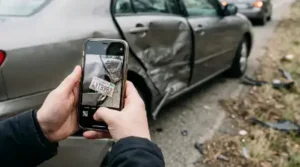
If it is safe to do so, gather key evidence before leaving the crash site:
- Ride Details: Take screenshots of your Uber app showing the trip status, driver details, and route.
- Driver & Vehicle Data: Exchange contact, driver’s license, and insurance details with all involved motorists.
- Photos & Videos: Capture vehicle damage, skid marks, traffic signals, weather conditions, and visible injuries.
- Witness Info: Obtain names and phone numbers of nearby bystanders or other passengers.
4. Report the Crash Through the Uber App
Uber provides an in-app safety toolkit that allows riders to report collisions directly. Reporting the incident notifies the company’s third-party insurance carriers. However, limit your report to basic facts (e.g., time, location, and date) and avoid giving detailed recorded statements about fault or severity before speaking with legal counsel.
5. How Uber’s Insurance Coverage Works for Passengers
One of the biggest questions riders have is: Who pays for my damages? Uber maintains a robust insurance policy governed by federal and state regulations, such as those monitored by the National Highway Traffic Safety Administration (NHTSA). When a trip is actively in progress (from pickup to drop-off), Uber typically provides up to $1,000,000 in third-party liability coverage.
Depending on who caused the crash, primary liability may rest with:
- The Uber Driver: Covered under Uber’s $1M commercial liability policy.
- Another Driver: Covered by the third-party driver’s personal auto insurance, supplemented by Uber’s uninsured/underinsured motorist (UM/UIM) coverage if their policy limits are insufficient.
6. Protect Your Legal Rights
Insurance adjusters representing rideshare companies or third-party drivers often attempt to minimize payouts or push quick settlements. Consulting experienced uber accident lawyers ensures your claim accounts for long-term medical treatment, lost income, and total pain and suffering.